
Nevada approved continuing education dedicated to complete flexibility.
Complete your real estate continuing education FAST!
Enrollments and Counting
0
+
Students and Counting
0
+
Round-the-Clock Learning
0
Days

36-Hrs. CE for $119
18-Hrs. Internet CE for $50
18-Hr. Live / ZOOM CE for $89
Internet CE $10 / Ea.
Live / ZOOM CE $20 / Ea.
EXCELLENTTrustindex verifies that the original source of the review is Google. Excellent class with Scott...I learned so much this morning! Look forward to the next CE class with Scott.Posted onTrustindex verifies that the original source of the review is Google. Great live selection in the off season for licensing. 10/10 recommendPosted onTrustindex verifies that the original source of the review is Google. Scott is an amazing instructor and makes classes very enjoyable! Thank you for making it simple and funPosted onTrustindex verifies that the original source of the review is Google. Great class- love taking the live version- on Zoom for class participationPosted onTrustindex verifies that the original source of the review is Google. Excellent CE classes, very easy to schedule and great instructors! Great value.Posted onTrustindex verifies that the original source of the review is Google. Great Class.

LIVE / ZOOM CE
Don’t miss out on upcoming live credits. Our ZOOM courses are fully NRED approved and fulfill your "classroom" requirements.

INTERNET CE
The fastest way to stay compliant. Start your on-demand courses now and download your certificates instantly.

CE PACKAGES
Get everything you need in one click. Our full-renewal packages combine Live and self-paced online CE Hours for maximum savings.

36 Hour CE Packages: Flexibility and Value for Your Renewal
- 18 Hours of NRED Core-Required CE: Take the guesswork out of your license renewal. Our 36-hour packages both NRED Required and Live ZOOM credits for one low price.
- 18 Hours of Live / ZOOM CE: Join Live CE courses on ZOOM, connect with expert instructors and peers in real time and enjoy the flexibility of learning from anywhere.
Complete your Nevada approved CE faster and easier than ever!
- Choose live ZOOM sessions for real-time interaction or self-paced courses that adapt to your schedule. Everything is right here in one simple place. Start now and take the hassle out of renewing your real estate license!


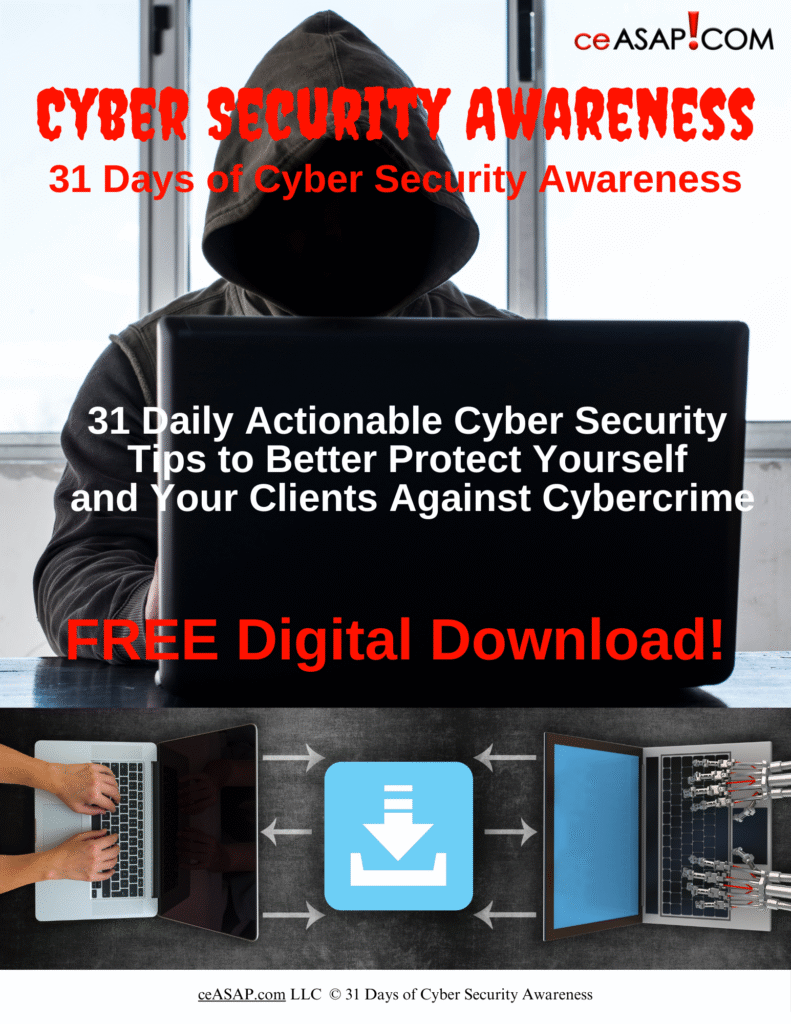


36-Hr ceBUILDER Package
Complete all 36 hrs. of NRED approved continuing education easily with our ceBUILDER Bundle! This affordable package includes 18 hrs. of required NRED CE courses and 18 hrs. of Live / ZOOM sessions for your in-person requirements.
$189.00
$119.00
18-Hr Internet CE Package
Renew your Nevada real estate license with our comprehensive 18-hour self-paced internet CE bundle, featuring all six mandatory CE courses required for license renewal
$120.00
$50.00
18-Hr Live / ZOOM CE Package
Explore our Live / ZOOM Calendar and select six NRED-approved CE courses to complete your required 18 hours of "live in-person" continuing education.
$129.00
$79.00
Frequently Asked Questions
Is ceASAP a Nevada Real Estate Division approved continuing education provider?
ceASAP is a trusted continuing education provider approved by the Nevada Real Estate Division (NRED). Every course gets its own CE number from the NRED, so you know it meets the right standards.
How does ceASAP structure their 36 Hour CE bundles?
We believe continuing education shouldn’t be complicated. Since NRED allows up to 18 hours of self-paced online courses, we’ve put all six required CORE courses into one easy online bundle. This way, you can pick any live CE course to meet the 18-hour live education rule. We’ve made it simple, so you can renew your license without the stress.
My Nevada real estate license expires this month, and I’ve not completed any CE for this renewal. Can I get all 36 hours completed in time?
Need to complete your 36 hours of Continuing Education (CE) before your license expires? We’ve got you covered! Our 36-hour CE Bundle makes it super easy. You’ll get 6 Live/ZOOM classes and 6 self-paced online courses, covering all the important topics you need: Risk Reduction, Law, Agency, Contracts, and Ethics. Plus, you can pick the Live/ZOOM classes that fit your schedule. Staying compliant has never been this simple! Looking for something more specific, like Broker Management, Property Management, or Business Brokerage CE? We can create a CE package for you.
How do I create an account on ceASAP?
Head over to https://www.ceasap.com/ and click on “Sign Up” or “Create Account” to get started. Fill in your details, like your full name (the one on your real estate license), email, mobile phone number, license number, and a secure password. Double-check your info to make sure it’s correct, since it’ll be used for your completion certificates.
Where can I find the latest information on renewing a real estate license?
If you’re a Nevada real estate licensee, you can stay in the know by checking out the Nevada Real Estate Division’s website at https://red.nv.gov/. It’s the best place to find updates and important info you need!
Can I renew my Nevada real estate license online?
To renew your license online, just go to https://red.nv.gov/, click on “Online Services,” and choose “Online Renewal.” If you need help, check out the ceASAP YouTube channel for a step-by-step guide: https://www.youtube.com/@ceASAP.
What is the deadline for renewing my Nevada real estate license?
In Nevada, real estate licenses expire every two years at the end of the month. To keep your license active, renew it before the deadline. You can check when your license expires by visiting the Nevada Real Estate Division’s website at https://red.nv.gov/ and using the “License Lookup” tool.
How many continuing education credits do I need to renew my real estate license?
The number of continuing education (CE) credits you need to renew your real estate license depends on a few factors, like the type of license you have; Salesperson, Broker-Salesperson, or Broker, and any extra permits, like Property Management or Business Broker, tied to your license. In general, the Nevada Real Estate Division requires at least 18 hours of Core CE, which includes topics like Ethics, Law, Risk Reduction, Agency, and 6 hours on Contracts. If you’re 65 or older and have had a Nevada license for more than 30 years, you might qualify for fewer courses. To ensure you meet all the requirements, check out the Nevada Real Estate Division’s license renewal page for more details.
Will ceASAP send my course completion to my state licensing agency?
Yes, we are required to submit a report for all students who finish a continuing education course, and we do this once a week. It usually takes about 10 days for the real estate division to update the information on your account. Just keep in mind, when you renew your license, the real estate division will only use the completion certificates you send, not the ones submitted by ceASAP.
Do I need to supply NRED my completion CE certificates when I renew my real estate license?
Before you renew, make sure you have all your completion certificates ready. Whether you renew online or in person, it’s easiest to save them as PDFs. Having everything ready ahead of time will make the whole process quick and easy!
Want First Dibs and Free Stuff
Sign up for our monthly newsletter and get exclusive perks! Access Canva templates, digital downloads, industry news, tech tips, alerts and discounts. Stay ahead of the crowd and thrive. Don’t miss out and subscribe today!
Our Amazing Industry Partners



Need Additional Assistance ?
Whether you have a question, need support, or want to share your feedback, we’re here to help. Your satisfaction is our priority, so please feel free to reach out!
For quick answers, you can visit our Frequently Asked Questions page or try our automated Al ChatBot, available 24/7 to provide instant help.